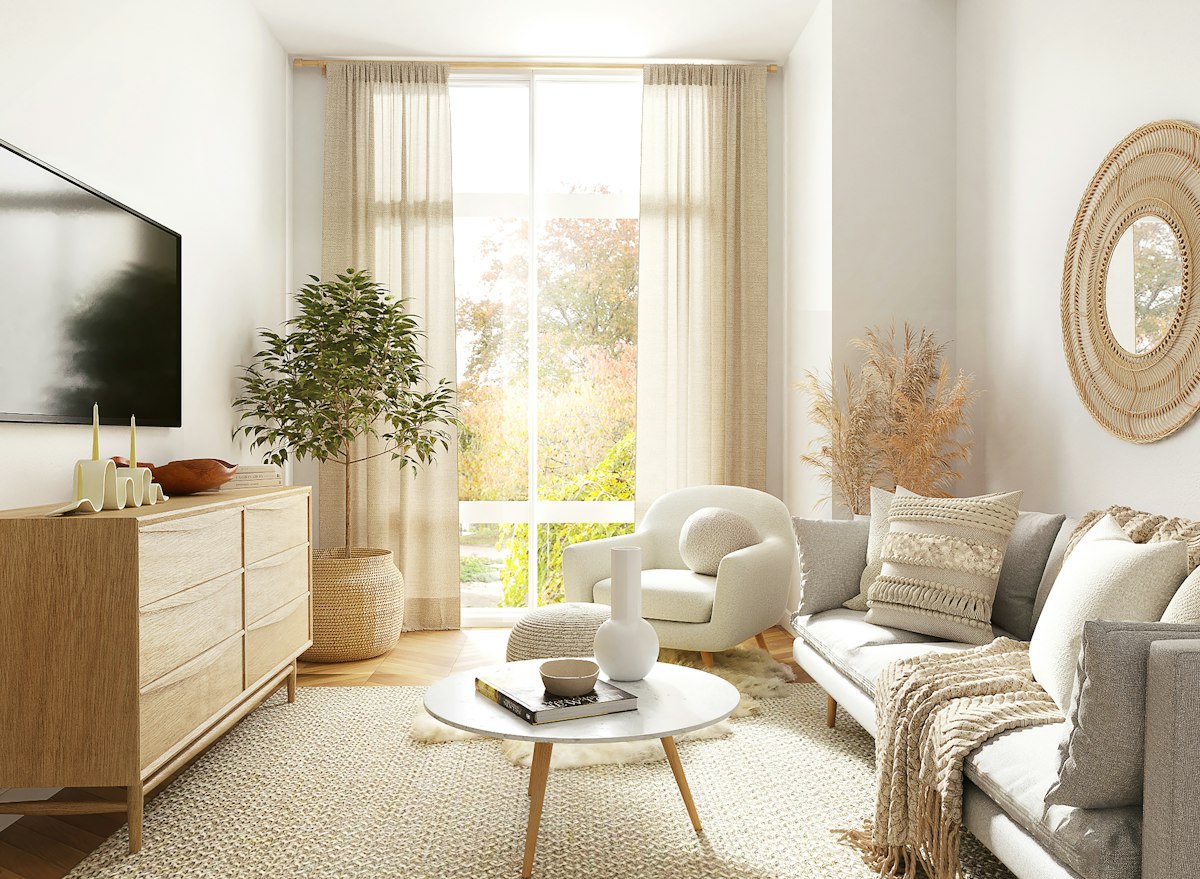
Low Cost Interior Design: Smart Strategies for High-End Spaces on a Budget
Transforming a living space does not require an exorbitant budget or an architectural overhaul. Many homeowners and renters assume that achieving a curated, polished aesthetic demands designer labels and custom millwork. In reality, expensive rooms often rely on principles of balance, lighting, and cohesion rather than the sheer cost of individual pieces.
When you strip away luxury markups, interior design is fundamentally about how light, proportion, and texture interact within a room. Focusing on deliberate decisions rather than impulse purchases allows you to stretch every dollar. A modest budget forces creative problem-solving, which often results in homes with far more personality and warmth than cookie-cutter showroom packages.
Related posts
Crafting Your Culinary Sanctuary: The Art of Modern Kitchen Interior Design
The kitchen has always been the heart of the home, a place where meals are prepared, memories are...
Read more →
Elevating Your Estate: The Art and Science of Luxury Home Interior Design
When you envision a truly magnificent home, what comes to mind? Is it simply a grand structure, or...
Read more →
Interior Design for Kitchen Spaces: Layouts, Materials, and Modern Functionality
A successful kitchen renovation balances daily practical demands with architectural elegance. Homeowners often struggle to reconcile the desire...
Read more →
Designing a Luxury House Interior: Principles, Materials, and Spatial Mastery
True luxury inside a home is felt before it is seen. It reveals itself in the acoustic calm...
Read more →This discussion breaks down practical, cost-effective methods for elevating your home. You will learn where to allocate your funds for the highest visual return, how to source durable furnishings without overspending, and the specific styling choices that instantly modernize any room.
Key takeaways
- Prioritize paint and lighting: These two budget-friendly elements yield the highest visual transformation per dollar spent.
- Mix high and low sources: Combine secondhand vintage finds with affordable flat-pack staples to create depth and prevent a mass-produced look.
- Master scale and proportion: Inexpensive items look significantly more high-end when sized correctly for the room.
- Edit ruthlessly before buying: Removing clutter and unnecessary accessories costs nothing while immediately elevating room flow.
The Foundations of Budget-Conscious Space Planning
Before spending any money on paint swatches or decor items, start with spatial planning. High-end spaces feel comfortable because traffic moves naturally and furniture sits at proper focal points. Clutter is the primary enemy of elevated design, and addressing it requires time rather than money.
Begin by stripping the room down to its essential pieces. Move small decorative accents, excess occasional tables, and worn accessories into another area. Assess the architectural lines of the room. Does the layout maximize natural light from the windows? Are seating arrangements inviting conversation, or are they pushed against walls out of habit? Floating furniture slightly away from perimeter walls often makes a room feel larger and more intentional.
Measure everything before making a single purchase. One of the most common reasons affordable interiors look cheap is poor scale. An undersized rug or an overly small sofa instantly signals an amateur setup. Knowing your dimensions down to the inch prevents expensive purchasing mistakes and ensures each piece commands its proper space.
High-Impact Color and Paint Strategies
Paint remains the most cost-effective tool in interior design. A standard can of quality paint costs relatively little, yet it completely resets the mood of an entire room. When working with limited funds, avoid busy accent walls with harsh contrasts, which can visually chop up a room and make it feel dated.
Instead, consider color drenching. This technique involves painting walls, baseboards, window trim, and interior doors in the same shade or slightly shifted sheens of one color family. Color drenching creates an enveloping, tailored environment that hides cheap trim details and mimics expensive custom woodwork. Soft warm neutrals, muted sage greens, and deep charcoal tones perform exceptionally well with this method.
Pay close attention to finishes. Flat or matte finishes on ceilings mask surface imperfections. Eggshell or satin works best on walls for subtle light refraction and washability. Semi-gloss belongs strictly on doors and architectural trim. Keeping these finish relationships consistent makes standard drywall look custom-finished.
Layering Lighting on a Shoestring
Single overhead dome fixtures, often referred to as builder-grade lighting, flatten architectural depth and cast harsh shadows. Luxurious rooms rely on multiple light sources positioned at different heights to create warmth and ambiance.
To build a layered lighting scheme on a budget, divide your lighting into three primary functions:
- Ambient lighting: The baseline illumination, which can come from a flush-mount fixture fitted with warm-toned LED bulbs (2700K to 3000K).
- Task lighting: Focused illumination for reading or cooking, provided by directional floor lamps, swing-arm sconces, or affordable under-cabinet strip lights.
- Accent lighting: Soft lighting that draws attention to artwork, plants, or shelving, such as battery-powered uplights or small picture lamps.
Swap out cool white bulbs for warm white alternatives immediately. This simple switch costs pennies per bulb and instantly softens your living environment. Adding plug-in inline dimmer switches to tabletop lamps gives you instant control over evening mood without calling an electrician.
Room-by-Room Low Cost Transformation Tactics
Living Room Refinements
Your living room centers around seating and conversation. If your sofa is structurally sound but visually tired, avoid the cost of full reupholstery. Invest in a tailored, machine-washable slipcover made of heavy linen or cotton twill. Add structure by replacing worn polyester cushion inserts with high-density foam or feather-blend alternatives.
Curtains represent another significant visual opportunity. Mount curtain rods close to the ceiling line rather than right above the window frame. Extend the rod past the window sides so the panels frame the glass without blocking daylight. Choose floor-length curtains that touch or slightly break on the floor. Inexpensive panels from mass retailers look custom-made once ironed and hung with drapery rings.
Kitchen Cabinet and Hardware Refresh
Kitchen renovations are notoriously expensive, but cosmetic adjustments require minimal capital. Painting existing solid wood or laminate cabinets delivers dramatic aesthetic changes. Thorough sanding, a bonding primer, and durable cabinet-grade enamel paint yield smooth, long-lasting surfaces.
Replacing cabinet handles and pulls offers immediate tactile improvement. Look for solid metal hardware in brushed brass, matte black, or polished nickel rather than lightweight hollow aluminum. Modernizing hardware changes the perceived quality of the cabinetry without replacing a single cabinet box.
Bedroom Sanctuary Accents
A serene bedroom relies on tactile comfort. Layering bedding creates a boutique hotel atmosphere without luxury price tags. Use a clean, crisp duvet cover stuffed with an oversized insert to create an inviting, plush appearance. Layer textured waffle blankets or washed cotton quilts over neutral sheets.
Build or source a simple upholstered headboard rather than buying an entire matching bedroom set. Matching furniture sets look dated and industrial; curated spaces showcase varied textures like wood nightstands, a fabric headboard, and a metal bench at the foot of the bed.
Sourcing Smart: Thrifting, Secondhand, and Flat-Pack Hacks
Building a home slowly through secondhand hunting prevents generic, mass-produced styling. Vintage solid wood furniture often costs less than new synthetic particleboard pieces while offering superior longevity, dovetail joints, and hand-carved details.
Look at estate sales, digital resale marketplaces, and local thrift shops for mid-century dressers, marble coffee tables, and brass accent pieces. Focus on the structural integrity and silhouette rather than surface wear. Minor scratches can be buffed out with wood restore products, and dated wood tones can be stripped or refinished.
When purchasing affordable flat-pack furniture, customize it to hide its origin. Swap stock hardware for architectural handles. Add decorative wood molding to basic bookshelves to give them a built-in library feel. Spray-paint utilitarian metal frames with satin metallic finishes. These simple interventions bridge the gap between mass-market budgets and bespoke aesthetics.
Scale, Proportion, and Styling Nuances
How you display your decor matters as much as the items themselves. A common budget error is scattering small knick-knacks across every flat surface, resulting in visual noise rather than elegance. Embrace the designer principle of scale: fewer, larger objects produce a more confident visual statement.
Instead of five small picture frames clustered together, hang a single large framed print with a wide mat board. Wide white mats make budget poster prints look like museum acquisitions. Group decorative objects in odd numbers—groups of three work especially well—varying their heights and textures. Pair a smooth ceramic vase with rough wooden beads and a textured book to create balanced contrast.
Frequently Asked Questions
What is the most effective way to make an affordable room look expensive?
Decluttering and refining scale offer immediate results. Clear excess accessories, paint your walls a cohesive color, install floor-to-ceiling curtain rods, and introduce warm, multi-layered lighting. Sizing rugs and artwork generously creates an instant sense of luxury.
How much should I budget for a modest room redesign?
A noticeable cosmetic refresh for a standard room can be accomplished for $300 to $800. This budget covers paint, fresh hardware, updated lighting fixtures, thrifted accents, and upgraded textiles like curtains and cushion covers.
Can you mix different wood tones on a budget?
Yes, mixing wood tones makes a home look collected over time rather than purchased from one store. To keep the look cohesive, identify the underlying undertone of your dominant wood—whether warm, cool, or neutral—and choose complementary pieces that share that base temperature.
Where should I allocate the largest portion of my decor budget?
Invest your funds in items you physically interact with every day, such as your primary sofa, mattress, and task chair. Allocate smaller amounts to decorative items, accent tables, lighting, and textiles, which can be acquired secondhand or through discount retailers.
Conclusion
Great interior design is rooted in intention, balance, and thoughtful restraint rather than financial extravagance. By focusing on fundamental elements like color cohesion, lighting layers, and proper spatial scale, you can build spaces that feel timeless, comfortable, and tailored to your life. Take your time curating pieces secondhand, experiment with paint, and edit your surfaces regularly. With careful planning and disciplined execution, your home can deliver exceptional style on an accessible budget.