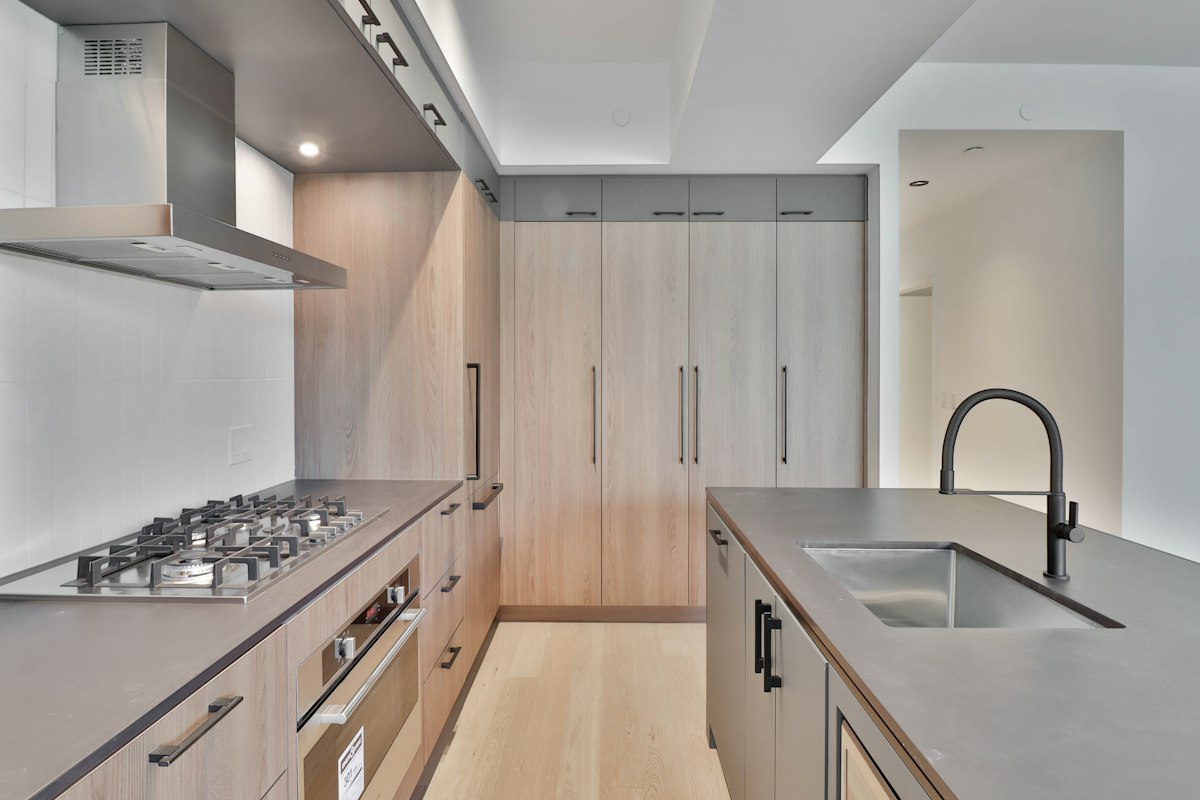
Crafting Your Culinary Sanctuary: The Art of Modern Kitchen Interior Design
The kitchen has always been the heart of the home, a place where meals are prepared, memories are made, and daily life unfolds. But in today's fast-paced world, our expectations for this central space have evolved. We're no longer just looking for functionality; we crave a seamless blend of sophisticated aesthetics, intuitive design, and cutting-edge technology.
This quest for perfection often leads us to the realm of modern interior design for kitchens. It's a style that promises sleek lines, uncluttered spaces, and a timeless appeal, yet it's far more nuanced than simply picking contemporary appliances. It’s about creating an environment that feels both inviting and incredibly efficient.
Related posts
Elevating Your Estate: The Art and Science of Luxury Home Interior Design
When you envision a truly magnificent home, what comes to mind? Is it simply a grand structure, or...
Read more →
Interior Design for Kitchen Spaces: Layouts, Materials, and Modern Functionality
A successful kitchen renovation balances daily practical demands with architectural elegance. Homeowners often struggle to reconcile the desire...
Read more →
Designing a Luxury House Interior: Principles, Materials, and Spatial Mastery
True luxury inside a home is felt before it is seen. It reveals itself in the acoustic calm...
Read more →
Strategic Office Room Design: Optimizing Your Workspace for Peak Performance
Most people treat office room design as a secondary concern, a simple matter of fitting a desk and...
Read more →Understanding what truly defines a modern kitchen – beyond the glossy magazine images – is the first step toward transforming your own space. How do you balance minimalist principles with the warmth needed for a family gathering spot? What materials truly stand the test of time and trend?
This article will explore the core tenets of modern kitchen design, from foundational aesthetic principles to practical considerations like material selection, lighting, and smart technology integration. We'll break down the elements that contribute to a truly modern, functional, and beautiful kitchen, helping you envision and create a space that perfectly suits your lifestyle.
Key takeaways
- Embrace Minimalism with Purpose: Modern kitchens prioritize clean lines, uncluttered surfaces, and a 'less is more' approach, ensuring every element serves a function or enhances aesthetics.
- Functionality Drives Design: Smart storage solutions, integrated appliances, and ergonomic layouts are central to creating an efficient and user-friendly modern kitchen.
- Material Selection is Paramount: High-quality, durable materials like quartz, concrete, sleek cabinetry, and large-format tiles define the modern aesthetic and ensure longevity.
- Layered Lighting Transforms: Strategic use of ambient, task, and accent lighting is essential for both functionality and creating the desired mood in a modern kitchen.
What Defines Modern Kitchen Design?
Modern kitchen design isn't just a trend; it's a philosophy rooted in the early 20th century, emphasizing functionality, simplicity, and a rejection of ornate decoration. It's about creating spaces that are both beautiful and incredibly practical.
Clean Lines & Minimalism
At its core, modern design champions simplicity. This translates into kitchens with strong horizontal and vertical lines, often seen in flat-panel cabinetry and streamlined hardware. Surfaces are typically uncluttered, favoring built-in solutions and smart storage to keep visual noise to a minimum. It’s about creating a sense of calm and order.
Open-Concept Integration
Many modern kitchens are designed as part of a larger open-concept living space. This integration requires a cohesive aesthetic that flows seamlessly from the kitchen into dining and living areas. Islands often become central features, serving as both prep zones and casual gathering spots, blurring the lines between cooking and socializing.
Neutral Color Palettes with Pops of Color
The foundation of a modern kitchen often rests on a neutral color palette. Think whites, grays, blacks, and natural wood tones. These provide a serene backdrop that feels spacious and sophisticated. However, this doesn't mean a lack of personality; vibrant accents can be introduced through artwork, small appliances, or even a statement backsplash, adding visual interest without overwhelming the minimalist feel.
Emphasis on Natural Light
Modern design seeks to maximize natural light wherever possible. Large windows, skylights, and glass doors are common features, not only brightening the space but also connecting the interior with the outdoors. This abundance of light enhances the feeling of openness and contributes to the clean, airy aesthetic characteristic of modern kitchens.
Functionality at Its Core
A truly modern kitchen is as much about how it works as it is about how it looks. Every design choice is made with efficiency, ease of use, and a streamlined workflow in mind.
Smart Storage Solutions
Clutter is the enemy of modern design. This makes innovative storage solutions absolutely essential. Think deep drawers with custom dividers, pull-out pantries, corner cabinet carousels, and integrated waste and recycling bins. Maximizing every inch of space while keeping items out of sight ensures a perpetually tidy and functional environment.
Integrated Appliances
For a truly sleek and seamless look, integrated appliances are a hallmark of modern kitchens. Refrigerators, dishwashers, and even microwaves can be concealed behind custom cabinetry panels, creating an uninterrupted flow of surfaces. This visual continuity reinforces the minimalist aesthetic and enhances the overall sophistication of the space.
Ergonomics and Workflow
Modern kitchen design pays close attention to ergonomics, ensuring that the layout supports a logical and efficient workflow. The classic 'work triangle' (sink, stove, refrigerator) is often optimized, but modern kitchens also consider zones for prep, cooking, cleaning, and storage. Everything should be within easy reach, minimizing unnecessary movement and maximizing comfort.
Smart Home Technology
From smart ovens that can be preheated remotely to voice-activated lighting and integrated charging stations, technology plays a significant role in enhancing the functionality of a modern kitchen. These innovations offer convenience, energy efficiency, and a touch of futuristic appeal, making daily tasks simpler and more enjoyable.
Materials That Matter
The choice of materials is fundamental to achieving the modern aesthetic and ensuring the longevity of your kitchen. High-quality, durable, and often low-maintenance options are preferred.
Countertops: Quartz, Granite, Concrete
Quartz remains a top choice for modern kitchens due to its durability, non-porous nature, and wide range of colors and patterns, often mimicking natural stone. Granite, while more traditional, can also fit a modern scheme, especially in honed or leathered finishes. For an industrial-chic modern vibe, concrete countertops offer a unique, custom look that ages beautifully.
Cabinetry: Flat-Panel, High-Gloss, Wood Veneer
Flat-panel or slab cabinet doors are the quintessential modern choice, offering clean, uninterrupted lines. Materials vary widely: high-gloss laminates or lacquered finishes create a sleek, reflective surface that brightens the space. For warmth and texture, wood veneers in light or dark tones, often with a horizontal grain, provide a sophisticated natural element. Handleless designs, using push-to-open mechanisms or integrated pulls, further enhance the minimalist appeal.
Flooring: Large Format Tiles, Hardwood, Polished Concrete
Flooring choices in modern kitchens typically emphasize clean lines and durability. Large format porcelain or ceramic tiles in neutral colors are popular, minimizing grout lines for a seamless look. Hardwood flooring, especially wide planks in light or natural finishes, adds warmth and continuity to open-concept spaces. For an edgy, contemporary feel, polished concrete offers exceptional durability and a distinct industrial aesthetic.
Backsplashes: Subtlety and Texture
Modern backsplashes often lean towards subtlety, allowing other elements to shine. Options include large format tiles that extend to the ceiling, creating a dramatic yet clean statement. Glass, stainless steel, or even a continuation of the countertop material can offer a seamless and sophisticated look. Textured tiles in neutral tones can add visual interest without being overly busy, providing depth and character.
Lighting Up Your Modern Kitchen
Lighting is more than just illumination in a modern kitchen; it's a design element that enhances mood, highlights features, and ensures functionality. A layered approach is key.
Layered Lighting: Ambient, Task, Accent
Effective modern kitchen lighting combines three layers. Ambient lighting, often from recessed fixtures, provides overall illumination. Task lighting, such as under-cabinet strip lights or pendants over an island, focuses light where work happens. Accent lighting, like in-cabinet lights or toe-kick lighting, adds drama and highlights architectural features or display items. Dimmers are crucial for controlling the mood and intensity.
Fixture Styles: Recessed, Pendants, Strip Lighting
Modern lighting fixtures are typically understated and functional. Recessed lighting is a staple for its unobtrusive nature. Sleek pendant lights over an island or dining area serve as both task lighting and sculptural elements. LED strip lighting is ideal for under-cabinet illumination, accentuating backsplashes and providing subtle ambient glow. The goal is often hidden light sources that wash surfaces with illumination rather than drawing attention to the fixtures themselves.
Budgeting for Your Modern Kitchen
Embarking on a modern kitchen renovation is a significant investment. Understanding where your money goes and how to manage costs is crucial for a successful project.
Understanding the Investment
Modern kitchen remodels can range widely in cost depending on the size of the kitchen, the quality of materials, the extent of structural changes, and the complexity of appliance integration. Expect costs to be higher for custom cabinetry, high-end stone countertops, and advanced smart home technology. It’s important to get detailed quotes and compare options thoroughly.
Prioritizing Key Elements
If budget is a concern, identify the elements that will have the biggest impact on your kitchen's modern aesthetic and functionality. Investing in quality cabinetry and durable countertops often yields the most visual and practical return. You might save on less visible elements or opt for mid-range appliances that still offer excellent performance.
DIY vs. Professional Installation
While some homeowners might tackle minor updates themselves, a full modern kitchen renovation typically requires professional expertise. Architects, interior designers, and experienced contractors can ensure the design is sound, the installation is precise, and all elements come together seamlessly. Factor in professional fees when planning your budget, as their expertise can save you time and costly mistakes in the long run.
The Design Process: From Concept to Reality
Bringing a modern kitchen to life involves a structured process, ensuring that every detail is considered and executed with precision.
Planning and Layout
The initial phase involves meticulous planning. This includes assessing your current space, determining your needs and preferences, and creating a functional layout. Consider how you use your kitchen daily, who will be using it, and what activities it needs to accommodate. This stage often involves sketches, floor plans, and 3D renderings to visualize the end result.
Sourcing Materials and Appliances
Once the layout is finalized, the exciting part of selecting materials and appliances begins. This involves visiting showrooms, comparing different finishes, and evaluating the functionality of various appliances. It’s important to choose items that not only fit the modern aesthetic but also align with your budget and lifestyle requirements. Don’t rush this step; these choices will define your kitchen for years to come.
Working with Professionals
Collaborating with experienced professionals—such as kitchen designers, architects, and contractors—is invaluable. They can translate your vision into a practical design, navigate complex technical challenges, and manage the renovation process from start to finish. Their expertise ensures that your modern kitchen is not only beautiful but also structurally sound, code-compliant, and built to last.
Frequently Asked Questions
What's the difference between modern and contemporary kitchen design?
While often used interchangeably, 'modern' refers to a specific design movement from the early to mid-20th century, characterized by clean lines, natural materials, and functional simplicity. 'Contemporary' describes current design trends, which can incorporate elements from various styles, including modern, but is more fluid and evolving. A modern kitchen has a defined aesthetic, while a contemporary kitchen reflects what’s popular now.
How can I make a modern kitchen feel warm and inviting?
To add warmth to a minimalist modern kitchen, incorporate natural wood tones, either through cabinetry, flooring, or open shelving. Introduce texture with woven bar stools, a textured backsplash, or even a rug if appropriate. Strategic lighting with warmer color temperatures, along with personal touches like plants, artwork, or decorative bowls, can also make the space feel more inviting and less stark.
What are the most popular countertop materials for modern kitchens?
For modern kitchens, quartz is exceptionally popular due to its durability, low maintenance, and wide range of colors and patterns, including those that mimic marble or concrete. Solid surface materials (like Corian) offer seamless integration with sinks. For a truly unique look, polished concrete or even high-quality stainless steel are also strong contenders, each offering distinct modern aesthetics.
Can I achieve a modern look on a smaller budget?
Absolutely. Focus on key modern elements such as flat-panel cabinet doors (even if refacing existing ones), a neutral color palette, and streamlined hardware. Opt for laminate or butcher block countertops instead of high-end stone. Use smart lighting like LED strips and declutter ruthlessly. Prioritize one or two impactful modern features and save on others. The 'less is more' philosophy of modern design can actually be budget-friendly.
How important is smart technology in a modern kitchen?
Smart technology is increasingly important in modern kitchens, enhancing both convenience and efficiency. While not strictly mandatory for a modern aesthetic, integrated smart appliances, voice-activated controls, and automated lighting systems align perfectly with the modern emphasis on functionality and streamlined living. They can elevate the kitchen experience, making it more intuitive and enjoyable.
Conclusion
Designing a modern kitchen is an opportunity to create a space that perfectly balances form and function, reflecting both your personal style and the demands of contemporary living. It's about more than just aesthetics; it's about crafting an environment that is efficient, comfortable, and a joy to inhabit every single day. By understanding the core principles—from clean lines and thoughtful material choices to intelligent storage and layered lighting—you can transform your culinary space into a sanctuary that serves as the true heart of your modern home.