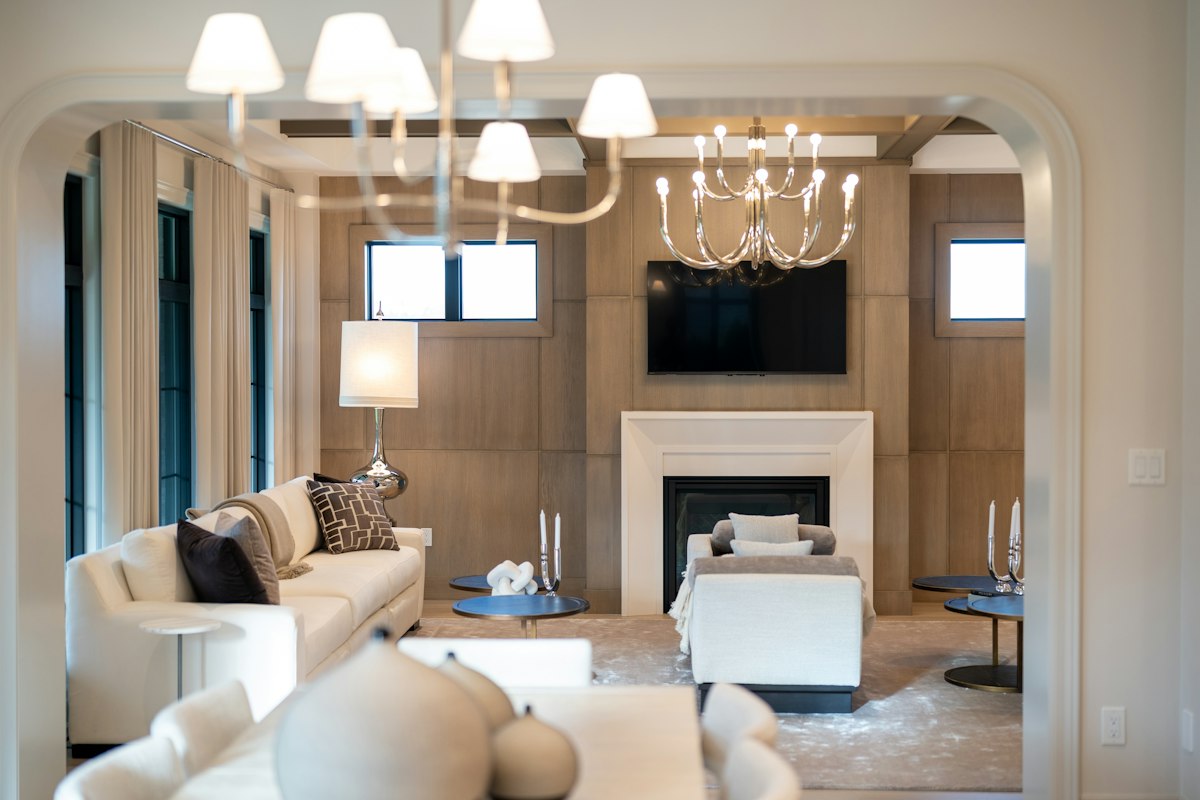
Elevating Your Estate: The Art and Science of Luxury Home Interior Design
When you envision a truly magnificent home, what comes to mind? Is it simply a grand structure, or is it the feeling, the atmosphere, the seamless flow and exquisite detail within its walls? For discerning homeowners, the interior of an estate isn’t just a collection of expensive items; it’s a meticulously curated world, an extension of personal taste, and a sanctuary of comfort and beauty.
Creating an interior that genuinely embodies luxury goes far beyond selecting high-end furniture or the latest trends. It requires a profound understanding of space, light, texture, and an unwavering commitment to quality and personalization. It’s about crafting environments that are not only visually stunning but also deeply resonant and functional for those who inhabit them.
Related posts
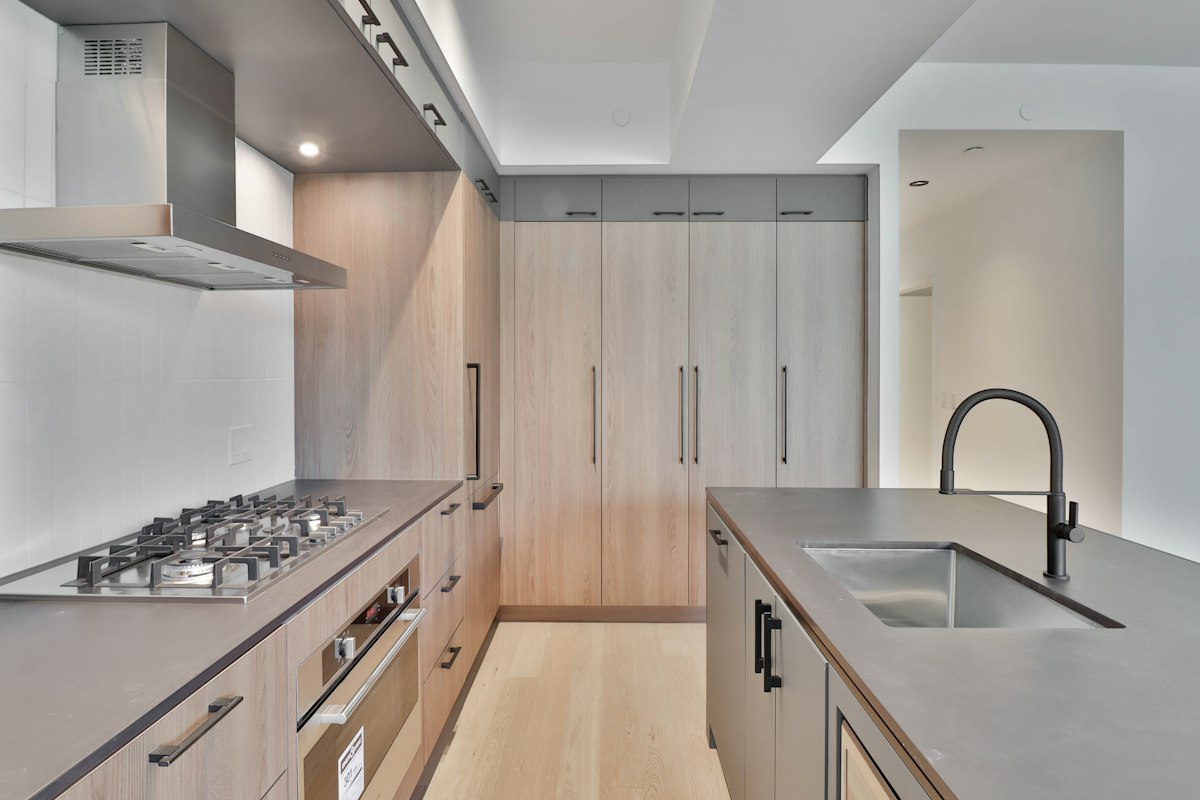
Crafting Your Culinary Sanctuary: The Art of Modern Kitchen Interior Design
The kitchen has always been the heart of the home, a place where meals are prepared, memories are...
Read more →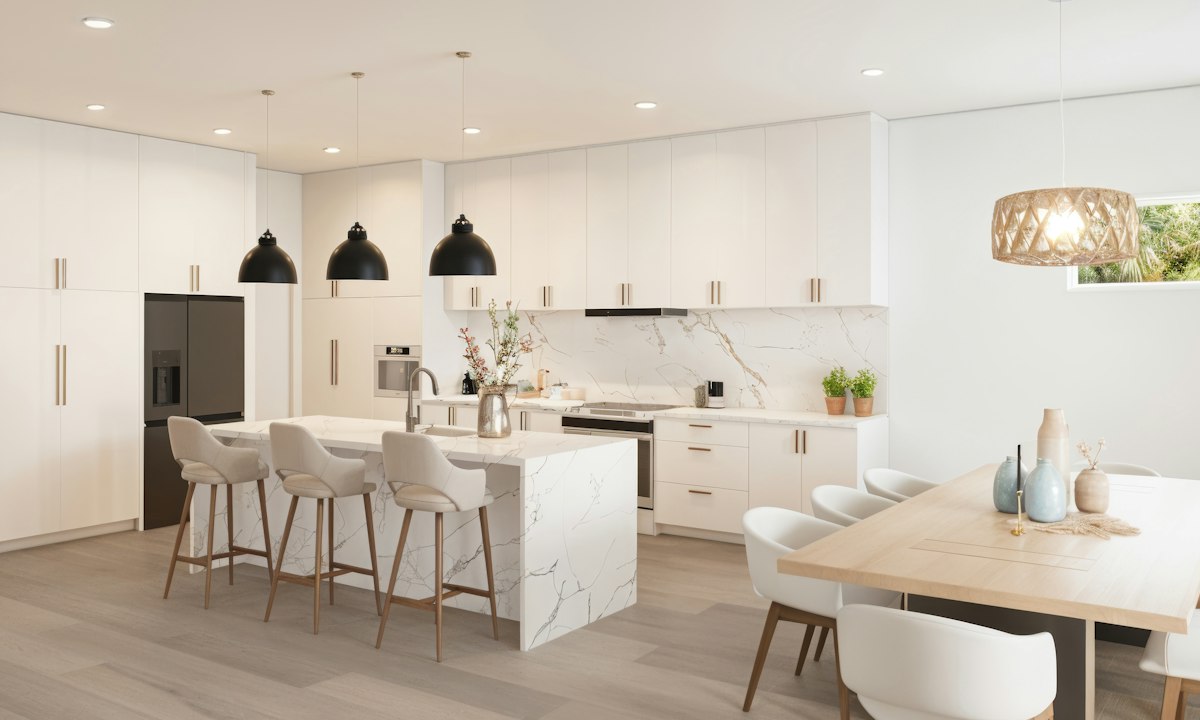
Interior Design for Kitchen Spaces: Layouts, Materials, and Modern Functionality
A successful kitchen renovation balances daily practical demands with architectural elegance. Homeowners often struggle to reconcile the desire...
Read more →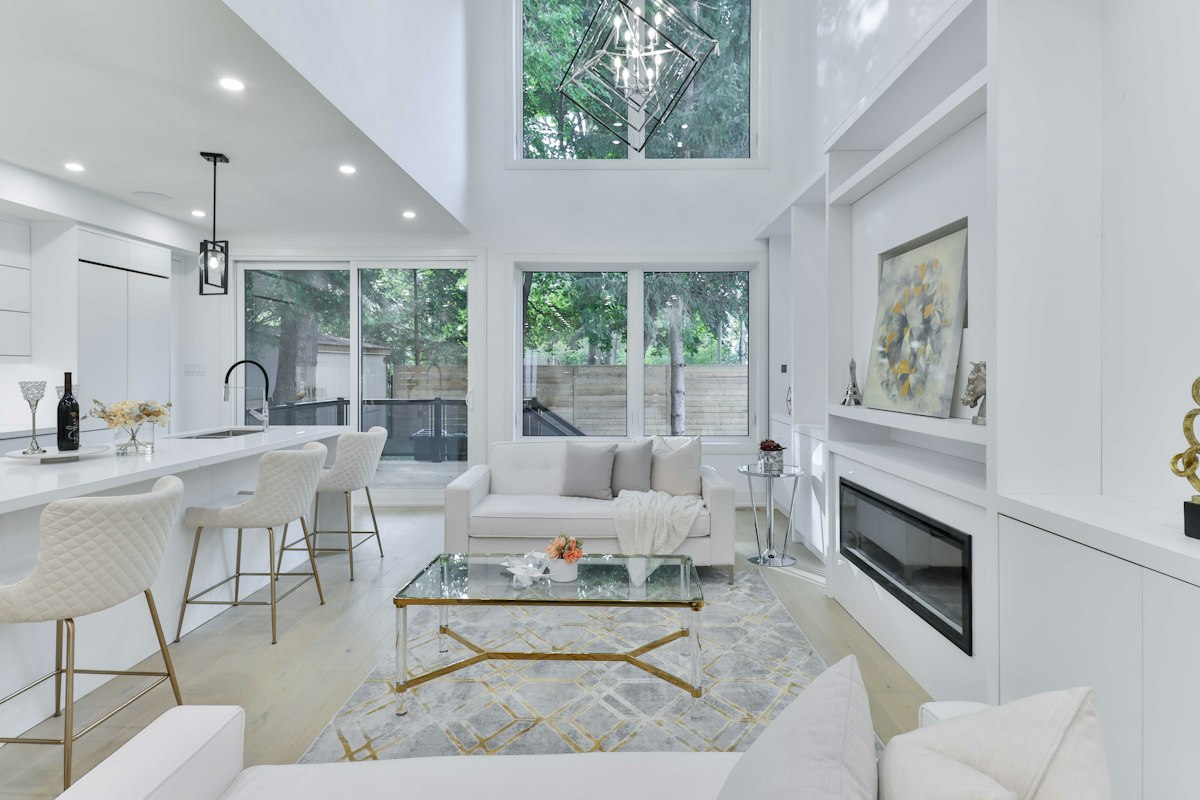
Designing a Luxury House Interior: Principles, Materials, and Spatial Mastery
True luxury inside a home is felt before it is seen. It reveals itself in the acoustic calm...
Read more →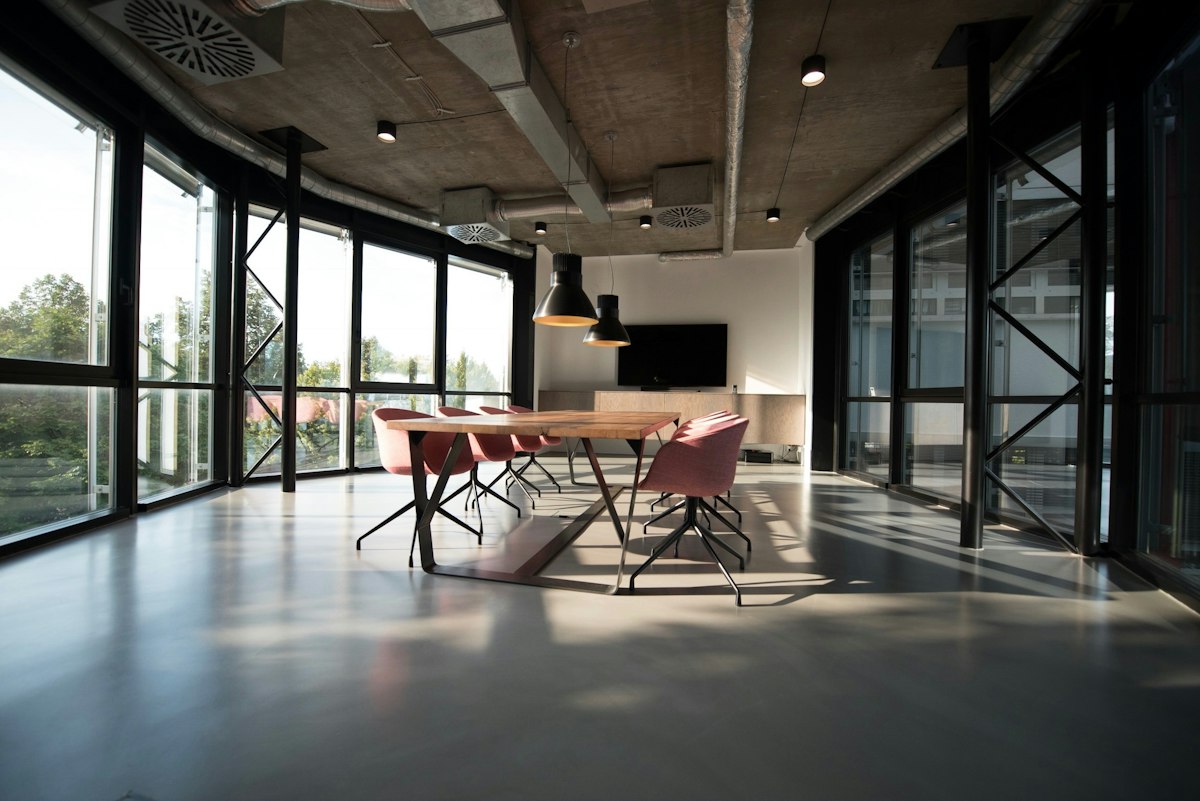
Strategic Office Room Design: Optimizing Your Workspace for Peak Performance
Most people treat office room design as a secondary concern, a simple matter of fitting a desk and...
Read more →Many aspire to create such spaces, but the path from vision to reality can be complex. How do you distinguish between mere opulence and authentic, enduring luxury? What are the principles that underpin truly sophisticated design, and how can you ensure your home reflects your unique narrative rather than a generic display of wealth?
This article will explore the core tenets of luxury home interior design. We’ll uncover the elements that define exceptional spaces, discuss various aesthetic directions, and outline the process of bringing a high-end vision to life. You’ll gain insights into working with professionals and making informed decisions that transform your residence into a masterpiece of design.
Key Takeaways
- Personalization is Paramount: True luxury interiors are deeply personal, reflecting the homeowner's unique story and lifestyle rather than following transient trends.
- Quality and Craftsmanship Endure: Invest in exceptional materials, bespoke pieces, and artisan craftsmanship for lasting beauty and intrinsic value.
- Harmonious Design is Essential: Achieve a cohesive aesthetic through thoughtful space planning, layered lighting, and a sophisticated material and color palette.
- Professional Expertise is Invaluable: Collaborating with experienced interior designers or architects ensures a seamless process and an elevated outcome that exceeds expectations.
Defining True Luxury in Home Interiors
Luxury in home design isn't a price point; it's a philosophy. It's about an elevated experience, a sense of belonging, and an environment that consistently delights and serves its inhabitants. This distinction is critical because merely expensive items can often feel hollow without a guiding design vision.
Beyond Price Tags: What Authentically Elevates a Space?
Authentic luxury transcends mere cost. It’s found in the exquisite detail of a hand-carved molding, the perfect drape of a custom curtain, or the subtle scent of a bespoke fragrance diffused through the air. These are elements that speak of intention, artistry, and a deep appreciation for quality. It’s about creating an atmosphere that feels effortless, comfortable, and deeply inviting, rather than overtly ostentatious.
Consider the difference between a mass-produced designer bag and a meticulously crafted haute couture piece. Both are expensive, but one possesses an intrinsic value rooted in unparalleled skill, rare materials, and limited availability. The same principle applies to interiors. True luxury is often understated, speaking volumes through its quiet confidence and impeccable execution.
The Power of Personalization: Crafting a Unique Narrative
The hallmark of a truly luxurious home is its ability to tell a story – your story. It’s a reflection of your travels, passions, heritage, and aspirations. Generic, showroom-style interiors, no matter how costly, often lack this vital soul. A personalized space feels lived-in, curated, and uniquely yours, creating an emotional connection that mass-market designs can never achieve.
This personalization might manifest in custom-built cabinetry designed to house a specific collection, a curated art selection that evokes cherished memories, or a bespoke color palette inspired by a favorite landscape. Every choice, from the layout to the smallest accessory, contributes to this narrative, making the home a true sanctuary that resonates with its occupants.
The Foundational Pillars of Luxury Design
Achieving a luxury aesthetic relies on several interconnected principles that, when executed with precision, create an unparalleled sense of sophistication and comfort.
Exceptional Materials: A Tactile Experience
The choice of materials is perhaps the most immediate indicator of a luxury interior. These aren't just finishes; they are sensory experiences. Think of the cool, smooth touch of polished marble, the rich grain of a rare hardwood, or the plush softness of cashmere. These materials engage the senses, offering durability, beauty, and a timeless elegance that synthetic alternatives simply cannot replicate.
- Natural Stones: Marble, granite, onyx, and travertine for countertops, flooring, and accent walls. Their unique veining and inherent coolness are unmistakable.
- Fine Woods: Exotic veneers, solid walnut, mahogany, or rift-sawn oak for custom millwork, flooring, and furniture. The depth and warmth are unparalleled.
- Precious Metals: Brass, bronze, polished nickel, and even subtle gold leaf accents add understated sparkle and sophistication.
- Sumptuous Fabrics: Silk, velvet, linen, cashmere, and high-thread-count cotton for upholstery, drapery, and bedding. They offer comfort and visual richness.
- Artisanal Glass and Ceramics: Hand-blown glass fixtures, custom tiles, and sculptural ceramic pieces introduce unique textures and light play.
Masterful Craftsmanship: The Hand of the Artisan
Even the finest materials can fall flat without skilled execution. True luxury design heavily relies on masterful craftsmanship, where every joint, stitch, and finish is perfected. This is where bespoke furniture makers, skilled upholsterers, expert stone masons, and precision installers come into play.
Consider custom cabinetry that fits flawlessly into architectural niches, or a hand-knotted rug that took months to create. These pieces are not just functional; they are works of art, imbued with the care and expertise of their creators. This level of detail elevates the entire space, creating an environment where quality is evident in every corner.
Thoughtful Space Planning and Flow
Luxury isn't just about what you put into a space; it's about how the space itself functions and feels. Intelligent space planning ensures that rooms flow seamlessly into one another, offering both grandeur and intimacy. This includes optimizing natural light, creating clear pathways, and defining zones for different activities without resorting to rigid barriers.
A well-planned luxury interior considers sightlines, acoustics, and the balance of open versus enclosed areas. It anticipates movement and interaction, ensuring that every square foot serves a purpose and contributes to the overall sense of ease and refinement. This often involves architectural interventions, not just decorative ones, to truly reshape the environment.
Lighting as an Art Form: Ambience and Function
Lighting is one of the most powerful, yet often overlooked, elements in luxury design. It's not just about illumination; it's about sculpting space, setting mood, and highlighting architectural features or art. A sophisticated lighting scheme employs multiple layers:
- Ambient Lighting: General illumination, often from recessed fixtures, cove lighting, or elegant chandeliers, providing overall brightness.
- Task Lighting: Focused light for specific activities, such as reading lamps by a sofa or under-cabinet lighting in a kitchen.
- Accent Lighting: Used to draw attention to artwork, architectural details, or decorative objects, creating focal points and visual interest.
Smart lighting systems allow for dynamic control, adjusting brightness and color temperature throughout the day to mimic natural light cycles or create specific atmospheres for entertaining. Custom-designed fixtures, made from exquisite materials, can also serve as sculptural elements, adding another layer of artistry to the space.
Aesthetic Directions in High-End Design
While personalization is key, luxury interiors often draw inspiration from established aesthetic directions, which can then be tailored to individual tastes.
Timeless Elegance: Classical and Traditional Influences
This aesthetic celebrates enduring beauty, often drawing from historical periods such as Neoclassical, Georgian, or French Provincial styles. It's characterized by symmetry, refined details, rich textures, and a sense of formality. Think grand chandeliers, intricate moldings, antique furnishings, and a muted, sophisticated color palette.
The appeal of timeless elegance lies in its inherent dignity and refusal to chase fleeting trends. It creates spaces that feel established, comfortable, and perpetually chic. While traditional, these designs are often updated with modern comforts and subtle contemporary touches to avoid feeling dated.
Modern Sophistication: Clean Lines and Innovative Forms
For those who prefer a less ornate approach, modern luxury embraces minimalism, clean lines, open spaces, and innovative materials. This style emphasizes functionality, understated elegance, and a focus on form and texture over excessive ornamentation. Large windows, bespoke built-ins, and a restrained color palette are common.
Modern luxury is not stark; it’s warm and inviting, achieved through rich textures, natural materials like wood and stone, and thoughtful integration of technology. It’s about creating serene, uncluttered environments that promote a sense of calm and clarity, often with a focus on art and sculptural furniture pieces.
Eclectic Grandeur: Blending Styles with Finesse
Eclectic grandeur is the art of harmoniously blending diverse styles, periods, and cultural influences to create a truly unique and layered space. This approach requires a discerning eye and a deep understanding of design principles to ensure cohesion rather than chaos. It’s about curating a collection of pieces that tell a story, rather than adhering strictly to one era.
Imagine a contemporary sofa paired with antique occasional tables, or a vibrant modern art piece against a classical architectural backdrop. The key is finding common threads—be it color, texture, scale, or a shared sense of quality—to tie disparate elements together. This style is particularly effective for homeowners with a diverse collection of art or artifacts from their travels.
The Design Process: From Vision to Reality
Embarking on a luxury interior design project is a significant undertaking, often requiring a structured process to ensure a successful outcome.
Initial Consultation and Concept Development
The journey begins with an in-depth conversation. This is where your chosen design professional truly listens, understanding your lifestyle, preferences, aspirations, and any functional challenges. They’ll assess the existing architecture, discuss your budget, and begin to formulate a conceptual framework. This phase often involves mood boards, preliminary sketches, and discussions around aesthetic direction to ensure alignment.
Material Selection and Sourcing
Once a concept is approved, the focus shifts to selecting the precise materials, finishes, and furnishings. This is a highly collaborative phase, often involving visits to showrooms, material libraries, and bespoke workshops. Designers leverage their network to source unique, high-quality items, often custom-fabricated, ensuring every element meets the exacting standards of luxury.
Execution and Project Management
With designs finalized and materials ordered, the project moves into the execution phase. This involves detailed coordination with architects, contractors, artisans, and various tradespeople. A professional designer acts as the central point of contact, managing timelines, budgets, and quality control, ensuring that the installation and finishing touches are executed flawlessly and to specification.
The Critical Role of Collaboration
Successful luxury design is rarely a solo endeavor. It thrives on collaboration – between the homeowner and the design team, and amongst the various specialists involved. Open communication, mutual respect, and a shared vision are essential for navigating complexities and ensuring that the final outcome not only meets but exceeds expectations.
Investing in Expertise: When to Bring in a Professional
While some homeowners enjoy tackling design projects themselves, the scale and complexity of luxury interiors often necessitate professional expertise.
Interior Designers vs. Interior Architects
Understanding the distinction between these roles is important. An interior designer typically focuses on the aesthetic and functional aspects of a space, including furniture, finishes, lighting, and decor. They work within the existing architectural shell.
An interior architect, on the other hand, often possesses a deeper understanding of structural elements, building codes, and spatial reconfiguration. They can redesign floor plans, move walls, and significantly alter the architectural envelope, making them ideal for full-scale renovations or new builds where the interior structure itself needs to be reimagined.
For truly comprehensive luxury projects, a team approach involving both an architect and an interior designer often yields the most cohesive and spectacular results.
Understanding Fee Structures and Scope of Work
Luxury design professionals typically charge in several ways: a flat fee for the entire project, an hourly rate, or a percentage of the project's total cost. Some may use a combination, such as a retainer plus a percentage. It’s crucial to have a clear, detailed contract outlining the scope of work, deliverables, and payment schedule upfront.
Expect fees to reflect the designer’s experience, reputation, and the complexity of your project. While an investment, the value they bring in terms of vision, access to exclusive resources, project management, and avoiding costly mistakes often far outweighs the initial outlay.
Finding the Right Partner for Your Vision
Selecting the right designer is a personal decision. Look for professionals whose portfolio aligns with your aesthetic preferences and whose approach resonates with you. Schedule initial consultations, review their references, and ask about their process. A strong rapport and clear communication are fundamental for a successful partnership in crafting your dream interior.
Frequently Asked Questions
How do I start planning a luxury interior design project?
Begin by defining your vision, lifestyle needs, and budget. Collect inspiration images, articulate your functional requirements for each space, and consider your long-term goals for the home. Once you have a clear understanding of your desires, start researching and interviewing experienced luxury interior designers or interior architects who specialize in your preferred aesthetic.
What are the most important elements to consider for a luxurious feel?
Focus on quality over quantity: invest in bespoke furniture, natural and high-end materials like marble, fine woods, and rich textiles. Prioritize thoughtful space planning for optimal flow and functionality. Implement layered, custom lighting. Integrate personalized touches, and ensure impeccable craftsmanship in every detail. A cohesive color palette and curated artwork also contribute significantly.
Is sustainability a factor in luxury home design?
Absolutely. Modern luxury increasingly incorporates sustainable practices. This can include sourcing eco-friendly materials, using energy-efficient appliances and lighting, incorporating reclaimed or recycled elements, and supporting local artisans. Discerning homeowners often seek designs that are not only beautiful but also ethically and environmentally responsible, adding another layer of value and sophistication.
How much does a luxury interior designer typically charge?
Fees vary widely based on the designer's experience, location, and the project's scope and complexity. Hourly rates can range from $150 to $500+, while flat fees for a full home project can be tens of thousands to hundreds of thousands of dollars, or a percentage (10-25%) of the overall project budget. Always request a detailed proposal and contract that clearly outlines all costs and services.
What's the difference between high-end and truly luxury design?
High-end often refers to expensive, brand-name products or finishes. Truly luxury design, however, transcends mere cost. It’s about bespoke craftsmanship, rare materials, profound personalization, meticulous attention to every detail, and an overarching design philosophy that creates a unique, enduring, and deeply resonant experience. It's less about labels and more about intrinsic value, artistry, and a tailored narrative.
Conclusion
Creating a luxury home interior is an endeavor that combines art, science, and a deep understanding of personal expression. It’s an investment not just in your property, but in your lifestyle, comfort, and legacy. By focusing on personalization, exceptional materials, masterful craftsmanship, and intelligent design principles, you can transform your house into a truly extraordinary home. Whether you embark on this journey with an expert design partner or meticulously curate every detail yourself, the goal remains the same: to craft spaces that inspire, comfort, and authentically reflect the pinnacle of refined living.