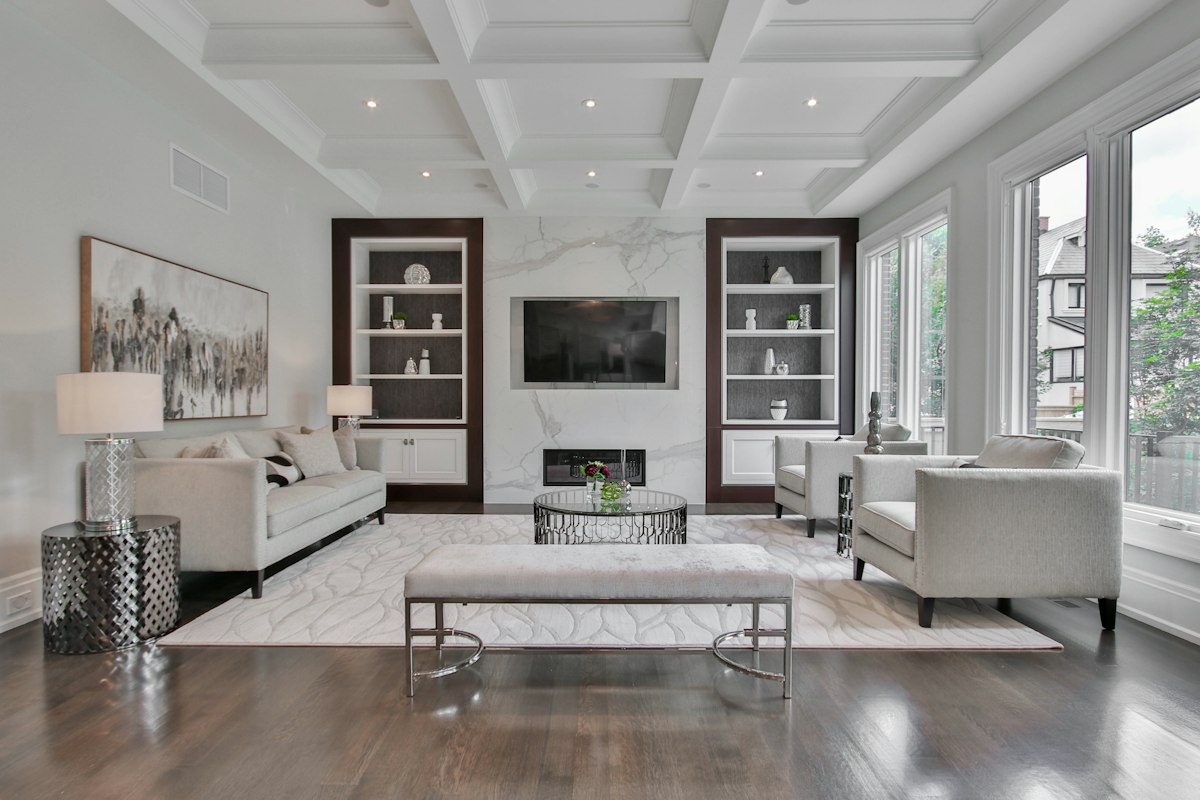
Transforming Modern Interiors with Sophisticated Custom Ceiling Design
When you walk into a room, your eyes naturally gravitate toward the furniture, the artwork, or perhaps a large window. However, the most expansive surface in any interior space often goes completely ignored. Architects and high-end designers refer to the ceiling as the "fifth wall," and for a very good reason. A standard flat white ceiling is a missed opportunity to define the character of a home. By opting for a custom ceiling design, you move beyond basic shelter and into the realm of intentional architecture.
The decision to invest in a custom ceiling treatment usually stems from a desire to solve specific spatial problems or to create a particular mood. Perhaps a room feels too cavernous and needs to be grounded, or maybe a low-ceilinged basement requires a visual trick to feel more expansive. Custom designs allow homeowners to manipulate the perception of height, volume, and light. It is a strategic move that separates a builder-grade property from a truly bespoke residence.
Related posts
Crafting Your Culinary Sanctuary: The Art of Modern Kitchen Interior Design
The kitchen has always been the heart of the home, a place where meals are prepared, memories are...
Read more →
Elevating Your Estate: The Art and Science of Luxury Home Interior Design
When you envision a truly magnificent home, what comes to mind? Is it simply a grand structure, or...
Read more →
Interior Design for Kitchen Spaces: Layouts, Materials, and Modern Functionality
A successful kitchen renovation balances daily practical demands with architectural elegance. Homeowners often struggle to reconcile the desire...
Read more →
Designing a Luxury House Interior: Principles, Materials, and Spatial Mastery
True luxury inside a home is felt before it is seen. It reveals itself in the acoustic calm...
Read more →This article explores the various structural styles, material choices, and functional benefits of upgrading your overhead space. We will examine how different treatments impact the overall atmosphere of a room and what you should consider regarding costs, installation timelines, and technical integration. Whether you are planning a new build or a major renovation, understanding the possibilities of custom ceiling design is the first step toward a more cohesive and impressive interior.
By the end of this discussion, you will have a clear understanding of which styles suit your specific architecture and how to balance aesthetic ambition with practical constraints. From the timeless elegance of coffered grids to the sleek modernity of stretch ceilings, we will cover the options that define current high-end interior trends.
Key takeaways
- Architectural Definition: Custom designs add structural depth and character that paint alone cannot achieve.
- Value Addition: High-quality ceiling treatments offer a significant return on investment by differentiating a property in the luxury market.
- Functional Integration: These designs provide elegant solutions for concealing HVAC, wiring, and improving room acoustics.
- Spatial Manipulation: Strategic use of layers and light can make small rooms feel larger or large rooms feel more intimate.
The Architectural Power of the Fifth Wall
The ceiling is more than just a lid on a room. It is a canvas that influences how sound travels, how light reflects, and how a person feels within the space. In modern open-concept homes, custom ceiling design serves an essential functional purpose: it defines different zones without the need for physical walls. For example, a coffered section over a dining area can clearly separate it from the adjacent living room, creating a sense of intimacy in a large, airy floor plan.
When we talk about custom work, we are looking at the transition from 2D surfaces to 3D structures. Standard drywall is functional, but it lacks the ability to interact with light. Custom treatments create shadows, highlights, and textures that change throughout the day as the sun moves. This dynamic quality keeps a room from feeling static or boring. Furthermore, the ceiling is the only surface in a room that is rarely obstructed by furniture, making it the perfect place for a bold design statement.
Popular Styles in Custom Ceiling Design
Coffered Ceilings for Timeless Elegance
Coffered ceilings are perhaps the most recognized form of high-end ceiling treatment. This style consists of a grid of recessed panels bordered by dropped beams. Historically found in grand libraries and government buildings, modern coffered designs have evolved to fit various aesthetics. You can choose deep, heavy beams for a traditional look or shallow, minimalist grids for a contemporary feel. The "coffers" themselves can be square, rectangular, or even octagonal, providing endless geometric possibilities.
Tray Ceilings and Multi-Level Depth
A tray ceiling features a center section that is several inches (or even feet) higher than the perimeter. This design resembles an inverted tray and is excellent for adding a sense of height to a room. Designers often use multiple "steps" or tiers to create a more dramatic effect. One of the primary advantages of a tray design is the ability to hide LED rope lighting or crown molding along the recessed edges, providing a soft, ambient glow that eliminates the harshness of direct overhead fixtures.
Beamed Ceilings: Rustic to Industrial
Exposed beams bring a sense of structural honesty to a home. While some beams are load-bearing, many modern custom designs use "faux" beams made of reclaimed wood, lightweight high-density foam, or boxed-in timber. In a farmhouse-style home, rough-hewn oak beams add warmth and history. In an industrial loft, steel I-beams or sleek painted wood can emphasize a clean, masculine aesthetic. The spacing and orientation of these beams can also make a narrow room appear wider if placed perpendicular to the long walls.
Barrel Vaults and Groined Ceilings
For those looking to break away from right angles, arched designs like barrel vaults offer a softer, more organic feel. A barrel vault is a continuous arch that runs the length of a hallway or room, reminiscent of classic European wine cellars or cathedrals. A groined ceiling is even more complex, formed by the intersection of two barrel vaults. These designs are highly specialized and require expert framing, but the visual impact is unparalleled, especially in entryways or master suites.
Material Selection and Texture
The materials you choose for your custom ceiling design will dictate both the cost and the maintenance requirements. While drywall and plaster remain the standards for their versatility, other materials are gaining popularity for their unique properties.
- Wood and Timber: Whether it is tongue-and-groove planks, shiplap, or solid beams, wood adds an organic warmth that no other material can match. It is also excellent for acoustics, as wood tends to absorb sound better than flat drywall.
- Metal Panels: Pressed tin ceilings are a classic choice for Victorian or industrial styles, but modern designers are also using large-format copper or stainless steel panels for a sleek, reflective finish.
- Stretch Ceilings: This modern technology involves a PVC or fabric membrane stretched across a perimeter track. It can achieve a perfect mirror finish or be printed with custom graphics, and it is entirely moisture-proof.
- Acoustic Plaster: For high-end home theaters or great rooms with lots of glass, acoustic plaster provides a seamless look while significantly reducing echo and noise transfer.
Integrating Lighting and Technology
A custom ceiling design is incomplete without a strategic lighting plan. In fact, the ceiling structure often dictates where and how you can light a room. Cove lighting is a favorite in tray and coffered designs, where the light source is hidden behind a lip, casting a soft wash across the upper surface. This creates an ethereal effect and makes the ceiling appear to float.
Beyond aesthetics, custom ceilings are the primary housing for modern home technology. This includes recessed architectural speakers, motorized projector screens, and smart HVAC vents that blend into the design. When planning your ceiling, it is fundamental to coordinate with your electrician and AV specialist during the framing stage. This ensures that all wiring and housing units are concealed within the architectural features rather than being added as an afterthought that disrupts the clean lines of the design.
Practical Considerations: Costs and Logistics
Custom ceiling work is labor-intensive and requires a higher level of craftsmanship than standard wall construction. When budgeting, you must account for both materials and specialized labor. A simple tray ceiling might add a few thousand dollars to a room's cost, whereas an intricate hand-carved wood coffered ceiling or a complex groined vault can cost tens of thousands.
Structural integrity is another factor. Heavy wood beams or thick plaster moldings add significant weight to the ceiling joists. An engineer may need to verify that your home's framing can support the additional load. Additionally, think about the long-term maintenance. High ceilings with intricate details can be difficult to clean and may require specialized equipment for repainting or repairing integrated lighting fixtures.
Custom Design for Commercial and Professional Spaces
While often discussed in a residential context, custom ceiling design is a powerful tool for commercial environments. In restaurants, acoustic clouds or suspended baffles are used to manage noise levels so diners can hold conversations. In corporate lobbies, custom ceilings often incorporate branding elements or use grand architectural gestures to convey a sense of stability and success.
For commercial projects, the focus often shifts toward durability and fire ratings. Materials like mineral fiber, glass-reinforced gypsum (GRG), and treated wood are common. The goal is to create a space that is visually striking while meeting strict building codes and providing easy access to the complex mechanical systems hidden above the ceiling plane.
Frequently Asked Questions
How much does a custom ceiling design typically cost?
Costs vary widely based on complexity and materials. A basic tray or beam treatment might range from $15 to $25 per square foot. More elaborate designs involving exotic woods, complex plaster work, or integrated high-end lighting can easily exceed $50 to $100 per square foot. Always get a detailed quote that includes framing, finishing, and painting.
Can a custom ceiling be installed in an existing home?
Yes, many custom designs can be retrofitted. Faux beams and shallow tray ceilings are relatively easy to add to existing structures. However, "recessed" designs that go up into the ceiling cavity require checking the location of floor joists, plumbing, and electrical lines above. If there is no space above, designers often build "down" to create the illusion of depth.
Does a custom ceiling make a room feel smaller?
It depends on the design and color. Dark, heavy beams or deep coffers can make a large room feel more intimate and cozy. Conversely, a tray ceiling with perimeter lighting can make a low ceiling feel significantly higher by drawing the eye upward and creating a sense of verticality. Choosing lighter colors for the recessed portions usually helps maintain an airy feel.
What is the best material for a custom ceiling in a bathroom?
Bathrooms require moisture-resistant materials. Avoid standard MDF or untreated wood, which can warp or grow mold. Instead, look for moisture-resistant green board, PVC-based moldings, or aluminum panels. Stretch ceilings are also an excellent choice for bathrooms as they are completely waterproof and do not suffer from condensation issues.
How long does the installation process take?
A standard custom ceiling project usually adds 1 to 3 weeks to a renovation timeline. The framing happens relatively quickly, but the finishing work—drywall taping, sanding, installing intricate moldings, and painting—is time-consuming. If you are using pre-fabricated wood beams, the process is much faster than traditional on-site plaster work.
Conclusion
Investing in a custom ceiling design is one of the most effective ways to elevate the architectural integrity of a property. By treating the fifth wall with the same attention as the rest of the interior, you create a space that feels complete and thoughtfully composed. Whether you prefer the structured rhythm of a coffered grid, the rustic charm of exposed timber, or the sleek lines of a modern tray, these designs offer a unique opportunity to express personal style while solving functional challenges.
While the initial cost and planning requirements are higher than a standard flat ceiling, the long-term benefits in terms of aesthetic enjoyment and property value are substantial. As you move forward with your design plans, remember to balance the scale of the ceiling treatment with the proportions of the room, and always prioritize high-quality craftsmanship to ensure a finish that stands the test of time.